For many people across Zambia, I am known first as a musician. Music, after all, is one of the greatest gifts God gave humanity. It has the power to unite, inspire, and heal. But beyond the stage and the microphone, my life has also been deeply rooted in another industry that defines our nation, mining.

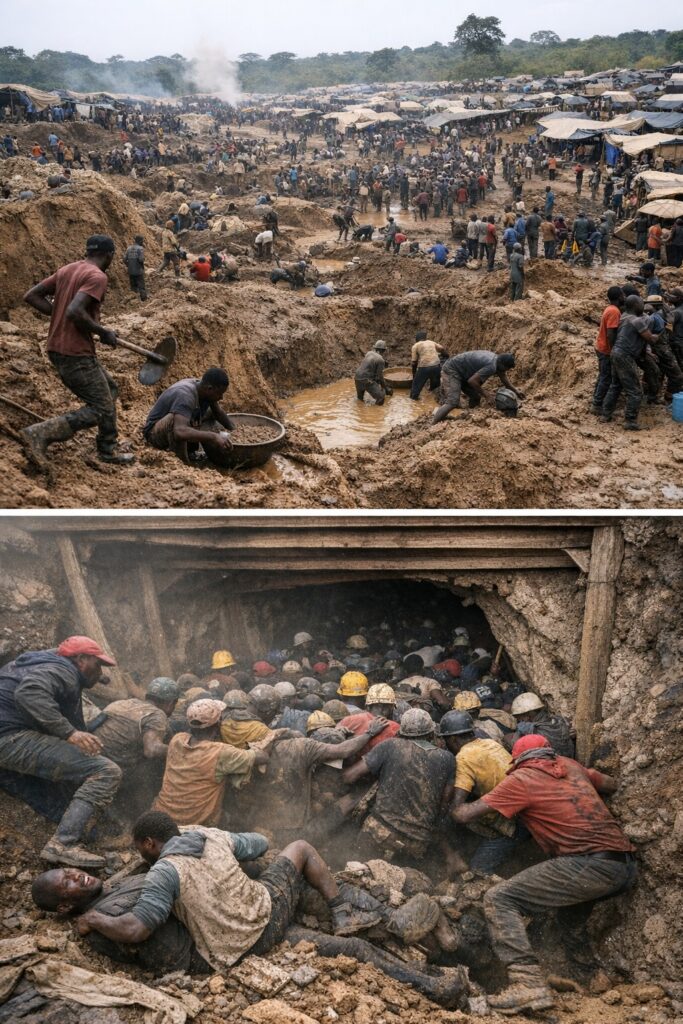
(Images by GCN Studios)
For more than two decades, I have been directly involved in Zambia’s mining sector. I have worked closely with small-scale mining teams, helping to organize operations and bring structure to environments that often lacked it. Through my work under my company, Global Culture Network Solutions Limited and its division GCN Mining, in collaboration with resilient Kitwe-based companies owned by local entrepreneurs, and during organized activities around the Mopani Black Mountain, alongside managing partners from other indigenous firms promoting local content, I have witnessed something powerful that many people rarely see from a distance.
Through my company, which has steadily accumulated experience over the years, I have witnessed remarkable determination among Zambia’s young miners.
I have seen young Zambians wake up before sunrise and work long hours under difficult conditions—not because they seek to operate outside the law, but because they seek opportunity. They want to provide for their families, build stable lives, and participate meaningfully in the country’s economy.
Many of these young miners live disciplined lives and carry enormous responsibility within their communities. Through their work, they support extended families, pay school fees for younger relatives, build homes, and sustain local businesses. The money they earn circulates within their communities, supporting food vendors, transport operators, hardware suppliers, and many other small enterprises.
In many mining communities, their efforts quietly sustain local economies.
This is why the conversation around young miners in Zambia deserves to be approached with balance and fairness. While the sector must be properly regulated, it is equally important to recognize that these young men and women represent an untapped national asset.
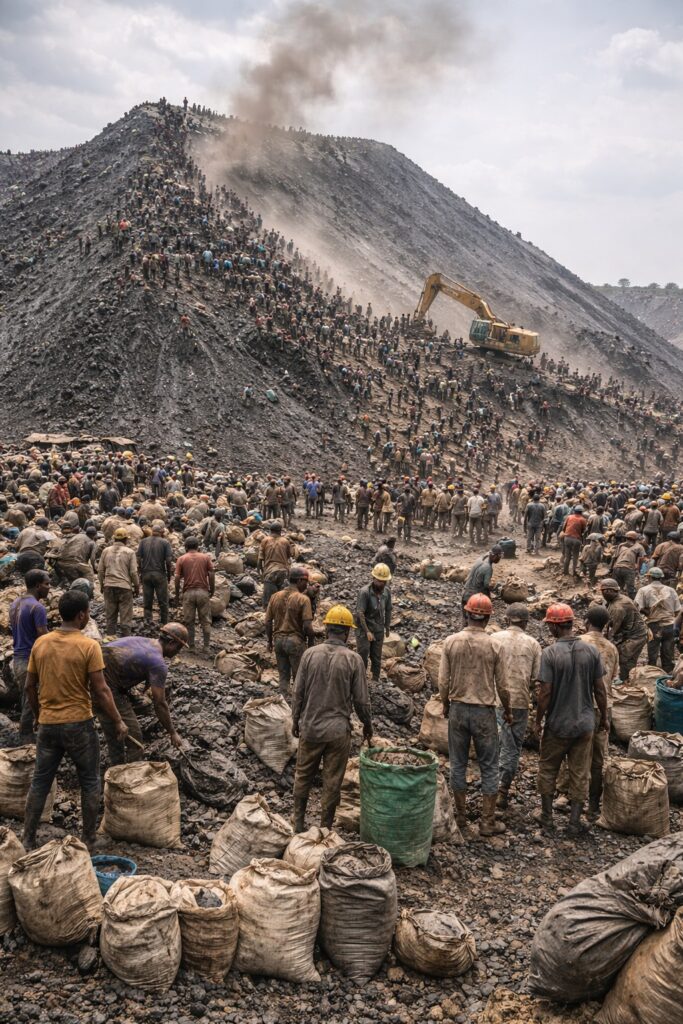
Over the years, I have personally been involved in initiatives that transformed groups of so-called “illegal miners” into organized and legitimate operators. When given proper leadership, structure, and clear systems, many of them proved to be disciplined, cooperative, and highly productive.
This experience has convinced me of one important truth: the issue is not the people, it is the lack of structured opportunity.
Your Excellency Hakainde Hichilema, Zambia stands at a critical moment in its economic journey. Our country is blessed with extraordinary mineral wealth. Copper, cobalt, and other resources beneath our soil continue to position Zambia as a strategic player in the global economy.
Yet beyond the large mining corporations and established investors, there exists another powerful force within this sector—our young miners.
Across the Copperbelt, North-Western Province, and other mineral-rich regions, thousands of young Zambians are already engaged in mining activities. Many are commonly referred to as Jerabos, or “Abana Gold,” a term that unfortunately often carries negative perceptions.
But from my experience on the ground, I have seen a different reality.
When given structure, guidance, and opportunity, these young miners demonstrate discipline, teamwork, and entrepreneurial potential. What they lack is not determination. What they lack is a clear pathway into the formal mining economy.
It is for this reason that I respectfully propose a simple but meaningful step.
Mr. President, consider convening a national one-day engagement with young miners from across Zambia.
Such a gathering would not be about politics. It would be about national development and inclusion.
Bringing these young miners together would provide an opportunity for them to hear directly from their President about Zambia’s mining vision, the importance of operating legally, environmental responsibility, and the pathways available for them to formalize their operations.
More importantly, it would send a powerful message that the government recognizes their existence and believes in their potential.
Recognition matters.
Young miners who feel supported are far more likely to pursue licenses, comply with regulations, form cooperatives, attract investors, and build sustainable enterprises. With the right policy framework and mentorship, many of these individuals could grow into the next generation of Zambian mining entrepreneurs.
The future mining leaders of our country are not only found in corporate boardrooms. Many are already on the ground today,learning through hard work, persistence, and resilience.
Given the right support, these young people could build companies that create employment, stimulate economic activity, and contribute significantly to Zambia’s development.
They could invest in housing projects, start new businesses, and partner with international investors who see Zambia not only as a country rich in minerals, but also rich in local enterprise and ambition.
Imagine a future where some of these young miners grow into respected business leaders, individuals who once struggled at the margins but later became major contributors to national growth.
Such transformation is not unrealistic.
In fact, it is already within reach.
What it requires now is leadership that speaks clearly to this generation and says:
“We see you. We believe in you. And we want you to succeed within the law.”
If such an engagement were announced, I have no doubt that thousands of young miners would travel from across the country simply to hear their Head of State acknowledge their aspirations and encourage their participation in the nation’s economic future.
Sometimes the most impactful national policies begin with a simple but powerful gesture, recognition and dialogue.
Zambia’s young miners are ready to contribute more meaningfully to the country’s development. They are ready to move from the margins of informality into the structure of legitimate enterprise.
What they need now is an open door and clear guidance.
And perhaps all it takes to open that door is a simple message from the nation’s leader:
“I believe in Zambia’s young miners.”
Because the truth remains simple.
Zambia’s future is already in the ground. Our young people are ready to bring it out, if leadership gives them the opportunity.